

Living with a heat pump
Dark nights, Bake Off and the return of the heating season
Published · Written by Lauren McLaughlin
Every autumn, millions of UK households face the same dilemma. The nights draw in, everyone starts eyeing up the thermostat, and one person insists the heating must not go on until at least the end of September.
Behind that battle of wills is something worth thinking about. Your heating has had a long summer off, and the first proper cold night is not the time to find out something isn’t working. I see it every year: a cold snap arrives, the heating goes on, and the problems start to show.
Why check your heating in autumn, not winter?
A heating system that fails in the first cold snap doesn’t just leave one household cold. It pulls repair call-outs into exactly the weeks when heating engineers are already at their busiest, so waits get longer for everyone.
Check early and any service or repair can be booked while engineers still have time, rather than squeezed into a few frantic weeks once the weather turns. Nobody needs extra days of cold hands and extra jumpers.
Heat pumps need a slightly different winter mindset
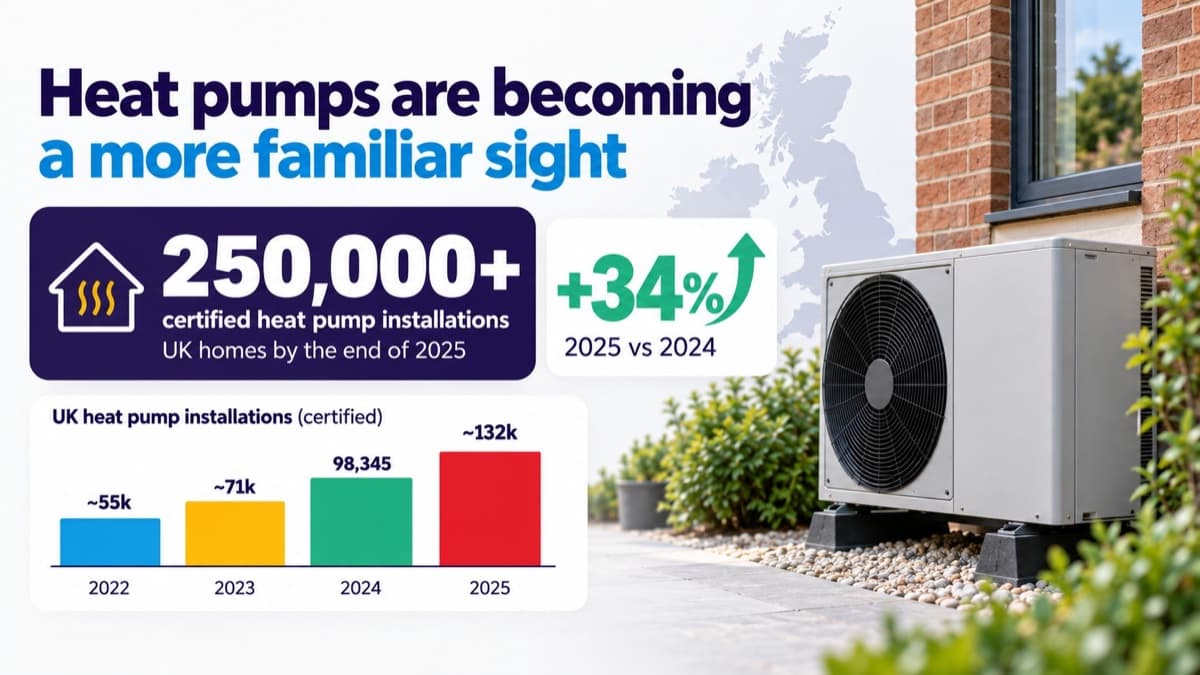
Heat pumps aren’t on every UK street yet, but they’re a far more familiar sight than they were. MCS data shows the UK passed 250,000 certified heat pump installations by the end of 2025, with installations up 34% on the year before. More households than ever now go into autumn with a heat pump keeping them warm.
A heat pump in freezing weather is like a car heading uphill: the steeper the hill, the more effort it takes to keep moving. As the temperature outside drops, the heat pump works harder to hold your home at the temperature you’ve set. That’s expected, and a well-designed system is sized for the coldest weather your area normally sees. Our guide on how warm a heat pump keeps your house in a cold snap explains why.
That’s why the basics matter. A heat pump that has been properly sized, set up and checked is much better prepared for the cold, and a little preparation now means fewer surprises and, hopefully, no emergency call-outs when installers are at their busiest.
A winter-readiness checklist for any home
Getting your home ready for the colder months doesn’t have to mean a long list of jobs. The Energy Saving Trust’s winter guidance is consistent every year:
- Insulate where you can, starting with the loft.
- Draught-proof windows and doors.
- Turn the heating on and check every radiator warms up.
- If your system has a pressure gauge, check it reads where the manufacturer recommends.
- Set your heating controls and schedules up for winter.
- If a boiler or heat pump service is due, book it before the cold weather arrives, not during it.
Extra checks if you have a heat pump
- Clear leaves, weeds and debris from around the outdoor unit.
- Make sure nothing blocks the airflow through the outdoor fan, and never cover the unit.
- Look at the controller or main control box for any warning or fault codes.
- Book the annual service if it’s due. Many manufacturers’ warranties depend on one.
One thing that isn’t a fault: on cold, damp days the outdoor unit will defrost itself every so often. The fan may pause and you may see what looks like steam coming off it for a few minutes. That’s normal, and it’s the system doing its job.
None of this takes a whole weekend. An hour or two now could be all it takes to spot a problem early, get it sorted and know your home is ready when the temperature drops. So before anyone wins the battle over the thermostat, give your heating a test run. Your future, much colder self will thank you.
The bigger picture
None of this is about one product, provider or type of heating. It’s simply about getting ahead of the cold. Whether that means finally giving in and turning the boiler on, or watching your heat pump work a little harder as temperatures drop, the point is the same: you want to know your heating is ready before you really need it.
If you’re weighing up a heat pump for next winter, our guide to what homeowners are paying to run one in 2026 is a good place to start. In the meantime, enjoy Bake Off and the autumn TV, keep the thermostat debates friendly, and make sure your heating is ready for when the cold nights arrive.
Related guides

Living with a heat pump
Heat pump running costs: what homeowners in 2026 are paying
Honest 2026 running-cost ranges versus gas, why “half your bills” is usually wrong, and how heat-pump tariffs change the maths.
Read article
Living with a heat pump
How warm will a heat pump keep my house?
Why a well-designed heat pump keeps you as warm as a boiler, how gentler heat feels day to day, and what to expect in a cold snap.
Read article
Costs & grants
Heat pumps and solar panels: does combining them make financial sense in 2026?
Why solar and heat pumps don’t overlap as neatly as the pitch suggests, where the real savings come from, and whether to do both at once.
Read article